Lucette
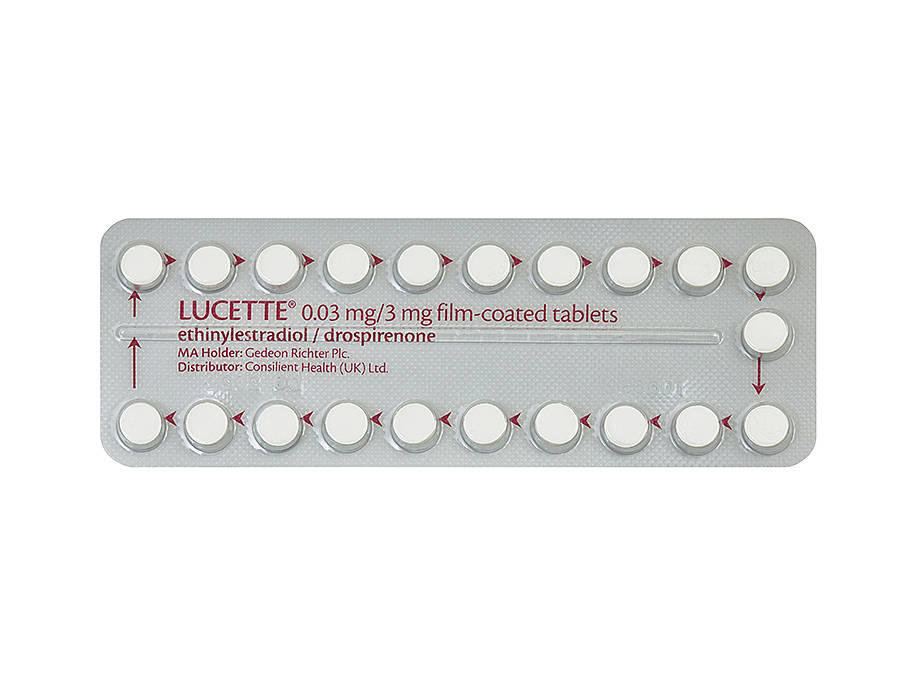
Lucette is a combined contraceptive pill containing the 2 hormones ethinylestradiol and drospirenone, taken to prevent pregnancy.



Prices from £19.00
In stock. Simply fill in a brief questionnaire. One of our doctors will review your order and prescribe a suitable treatment. How to Order
-
Lucette is a popular combined contraceptive pill that is taken once a day to help prevent pregnancy. It contains 2 hormones, ethinylestradiol and drospirenone, which work together to stop ovulation and prevent pregnancy. Some people also use Lucette to help with acne or oily skin.
If you think Lucette is right for you, you can request it from Asda Online Doctor. Once approved by one of our doctors, your medication will be delivered in discreet packaging to your door, or you can choose to collect it from your local Asda Pharmacy.




About Lucette
-
-
Lucette is a combined contraceptive pill used to prevent pregnancy. It contains 2 artificial hormones, 0.03mg of ethinylestradiol (oestrogen) and 3mg of drospirenone (progesterone), which work together to stop ovulation, thin the lining of the womb, and thicken cervical mucus. Lucette is also sometimes prescribed to help treat acne, particularly when symptoms are linked to hormone levels.
Lucette is made by Gedeon Richter and is available on prescription in the UK.
-
-
Each Lucette pill should be swallowed whole with water. Lucette should be taken once a day, ideally at the same time each day. You take it for 21 days in a row, followed by a 7-day break where you take no pills. During this break, you may have a withdrawal bleed. After 7 days, you start your next pack even if you’re still bleeding.
You can also take Lucette with fewer pill-free breaks (usually after every 3 pill packets), or none at all. If you want to try this, speak with your doctor about your different options. It’s been found that the pill is just as effective without breaks, so there is no clinical need to have them if you’d prefer to skip them.
If you vomit within 3 to 4 hours of taking a pill, or have severe diarrhoea, take another pill from a reserve strip as soon as possible.
When to start taking Lucette for the first time
If you are not currently using hormonal contraception, start on the first day of your period. You will be protected from pregnancy straight away.
If you start on days 2 to 5 of your cycle, use condoms for the first 7 days.
If you are switching from another contraceptive, follow medical advice or refer to the patient leaflet for exact instructions.
What to do if you miss a pill
If you miss a pill and you are:
- less than 12 hours late, take the missed pill as soon as possible and continue the pack as normal – you will still be protected against pregnancy
- more than 12 hours late, your protection may be reduced, and you should follow the instructions below
If you have missed more than 1 tablet in the strip, contact your doctor.
If you have forgotten 1 tablet in week 1 or week 2, take the most recently missed pill as soon as you remember, even if you have to take 2 tablets together. Then continue taking your pills at the usual time and use extra contraception, such as condoms, for 7 days.
If you have forgotten 1 tablet in week 3, you can either:
- Take the most recently missed pill as soon as you remember, even if you have to take 2 tablets together. Continue taking your pills as usual, but instead of having 7-pill free days, start the next strip as soon as you have taken your last pill.
- Stop taking the strip and go straight to the pill-free break. If you want to start a new strip on the day you usually start, have a shorter pill-free break than 7 days.
What if you take Lucette twice?
Taking 2 Lucette tablets by mistake is unlikely to cause serious harm. You may feel sick, vomit, or experience vaginal bleeding. If you are concerned, speak to your doctor or pharmacist.
What to know before stopping Lucette
You can stop taking Lucette at any time. However, you will need to use another form of contraception straight away if you wish to avoid pregnancy. You may notice some bleeding after stopping.
If you plan to become pregnant, it may help to wait until after your next period before trying to conceive, as this can make it easier to estimate your due date.
Who can take Lucette?
Lucette is suitable for many people, including those who:
- have regular periods
- are not currently pregnant
- do not smoke or are under 35 if they do
- have no history of blood clots or hormone-sensitive cancers
- do not have uncontrolled high blood pressure, diabetes, or liver problems
You should have your blood pressure checked before starting Lucette and at least once a year while using it.
Who should not take Lucette?
Lucette may not be suitable if you:
- are pregnant or breastfeeding
- are over 35 and smoke
- have or have ever had blood clots, stroke, heart attack, or migraines with aura
- have liver disease, breast cancer, or unexplained vaginal bleeding
- are allergic to lactose, soya, ethinylestradiol, or drospirenone
- are taking medication that interacts with hormonal contraceptives
Always speak to your doctor before starting Lucette, especially if you have any health conditions or are taking other medications.
-
-
Lucette is a combined oral contraceptive and contains the synthetic hormones ethinylestradiol (oestrogen) and drospirenone (progesterone). It prevents pregnancy in 3 main ways:
- It stops ovulation (the release of an egg each month).
- It thickens the cervical mucus to make it more difficult for sperm to travel.
- It thins the lining of the womb, making it harder for a fertilised egg to implant.
These actions work together to provide reliable protection when taken as prescribed.
How long does it take for Lucette to become effective?
If you start taking Lucette on the first day of your period, it will protect you straight away. If you start it on any other day, you will need to use condoms or another form of contraception for the first 7 days before you are fully protected against pregnancy.
How effective is Lucette?
Lucette is over 99% effective when taken correctly. This means fewer than 1 in 100 people will become pregnant each year if the pill is always taken as directed.
With typical use (for example, if pills are occasionally missed or you are sick or have diarrhoea), the effectiveness drops to around 91%. To stay protected, it is important to take Lucette at the same time every day.
-
-
Like all medicines, Lucette can cause side effects, but not everyone will get them.
Common side effects (may affect up to 1 in 10 people) include:
- bleeding between periods
- breast tenderness or pain
- headache or migraine
- low mood or mood changes
- feeling sick (nausea)
- thick white vaginal discharge or thrush
Uncommon side effects (may affect up to 1 in 100 people) include:
- breast enlargement
- changes in sex drive
- high or low blood pressure
- acne or skin rash
- hair loss
- being sick (vomiting) or diarrhoea
- bloating or fluid retention
- weight changes
- vaginal infections
Rare side effects (may affect up to 1 in 1,000 people) include:
- allergic reactions or asthma
- breast discharge
- hearing problems
- skin reactions like erythema nodosum or erythema multiforme
- blood clots in the leg, lung, heart, brain, eye, or other organs
How long do Lucette side effects last?
Some side effects, like nausea or spotting, may settle after a few weeks as your body adjusts. If symptoms continue beyond 3 months, become worse, or affect your daily life, speak to your doctor. They may recommend switching to a different contraceptive.
What to do if you get Lucette side effects
Most mild Lucette side effects can be managed at home by:
- keeping track of your symptoms and how long they last
- taking over-the-counter painkillers, like paracetamol or ibuprofen, for headaches, breast tenderness, or cramps
- staying hydrated to prevent headaches and help ease feelings of sickness
- eating smaller, more frequent meals and avoiding spicy or greasy foods
- speaking to your doctor or pharmacist if symptoms do not go away
- seeking urgent help for signs of a blood clot, such as chest pain, shortness of breath, or swelling in one leg
- reporting any side effects through the Yellow Card Scheme
Always read the patient information leaflet included with your medication for the full list of possible side effects.
-
-
Lucette is not suitable for everyone. Some medical conditions and medications can make it less effective or increase your risk of side effects. You should always check with a doctor or pharmacist before starting Lucette, especially if you take other medicines or have existing health concerns.
You should not take Lucette if you:
- are under 18 or have not started your periods
- are pregnant or think you may be pregnant
- are breastfeeding
- have or have ever had a blood clot, heart attack, or stroke
- have a condition that affects blood clotting
- have high blood pressure, high cholesterol, or diabetes with complications
- get migraines with aura
- have severe liver or kidney problems
- have ever had breast cancer or cancer of the uterus, cervix, or ovaries
- are allergic to ethinylestradiol, drospirenone, lactose, or soya
- have unexplained vaginal bleeding
The pill slightly increases the risk of blood clots, although this remains very small. Around 9 to 12 women out of every 10,000 a year develop a blood clot when using combined pills containing drospirenone. This could occur in the leg or lung, or in rare cases, cause a heart attack or stroke. A doctor, nurse, or pharmacist will check for risk factors before prescribing Lucette.
Taking Lucette can also slightly increase the risk of breast cancer and cervical cancer. However, the risk returns to normal within 10 years of stopping the pill. At the same time, Lucette may lower the risk of ovarian, womb, and bowel cancer.
Medications that can interact with Lucette
Some medications may reduce how well Lucette works, or increase the risk of side effects. These include:
- epilepsy treatments such as phenytoin, carbamazepine, primidone, topiramate, or lamotrigine
- tuberculosis treatments such as rifampicin
- HIV or hepatitis C medicines such as ritonavir, nevirapine, or efavirenz
- antifungals such as griseofulvin or ketoconazole
- high blood pressure medicine used for the lungs (bosentan)
- arthritis medicine such as etoricoxib
- herbal remedies such as St John's wort
- other medicines including ciclosporin, theophylline, and tizanidine
If you are prescribed any new medications while taking Lucette, speak to your doctor or pharmacist to check for possible interactions.
-
-
Lucette is only available on prescription in the UK. You cannot buy it over the counter, but you can order it online through trusted providers such as Asda Online Doctor or get it from your GP or sexual health clinic.
Can I buy Lucette online?
Yes. You can order Lucette through Asda Online Doctor. The process is simple, hassle-free, and requires no face-to-face appointment. You will need to:
- Complete a short online questionnaire about your health.
- A registered doctor will review your answers to check whether Lucette is suitable for you.
- If approved, you can choose delivery to your home in discreet packaging, or free Click & Collect from your local Asda Pharmacy.
You can start the pill for the first time, restart the pill, or switch from a different pill with the help of our doctors. They can help you choose the best contraceptive pill for you if you’re not sure, or if you've been having side effects on a certain type of pill.
Can I buy Lucette over the counter?
No. Lucette is a prescription-only medicine (POM). A doctor or prescribing pharmacist needs to make sure it is safe for you before you start taking it.
Can I get Lucette on the NHS?
Yes. Lucette is available for free on the NHS if it is prescribed by your GP or a sexual health clinic. You may also be offered an alternative combined pill, as not all brands are stocked in every practice.
-
-
If Lucette is not suitable for you, you may want to consider changing contraceptive pill. There are other combined contraceptive pills that work in a very similar way.
If you are unsure which option is best, read our guide on how to choose the right contraceptive pill. Your contraceptive options include:
- other combined pills – such as Rigevidon, Marvelon, or Microgynon, which use different combinations of hormones
- progesterone-only pill (mini pill) – a daily pill that does not contain oestrogen, examples include Cerelle, Cerazette, Noriday, and Norgeston
- non-pill options – such as the contraceptive patch, vaginal ring, implant, injection, intrauterine device (IUD), and condoms
A doctor or pharmacist can help you decide which method best suits your health needs and lifestyle.
Lucette vs Yasmin
Lucette and Yasmin contain the same active ingredients (ethinylestradiol and drospirenone) in the same doses. This means they are equally effective at preventing pregnancy and may both help improve acne.
The main difference is the brand name and manufacturer. Some people may prefer 1 over the other based on availability or personal experience.
Frequently asked questions
Is Lucette a combined pill?
Yes. Lucette is a combined oral contraceptive pill. It contains 2 hormones, ethinylestradiol (oestrogen) and drospirenone (progesterone), which work together to prevent pregnancy.
Can Lucette help with acne or oily skin?
Lucette may help improve acne and oily skin in some people. This is because drospirenone can reduce oil production and regulate hormone levels. Results may take several months to appear. However, at Asda Online Doctor, we can only prescribe the pill as a method of contraception. We offer alternative acne treatments.
Can I take Lucette to delay my period?
Yes, you can delay your period by skipping the 7-day break and starting a new pack straight away. You may experience light bleeding or spotting during the second pack. Always check with a doctor before making changes to your routine.
Can Lucette affect mood or cause anxiety or depression?
Some people notice mood changes while taking Lucette, including low mood or anxiety. Not everyone experiences this, and many people feel no ill effects. If mood changes affect your daily life, speak to your doctor about alternative options.
Is Lucette safe for long-term use?
Lucette is considered safe for long-term use in people who do not have health conditions that make the pill unsuitable. Regular check-ups, including blood pressure monitoring, are recommended if you continue taking Lucette over time.
Will Lucette regulate irregular periods?
Yes. Lucette can regulate your periods by creating a predictable monthly cycle. Most people will have a withdrawal bleed during the 7-day break between packs.
Does the Lucette pill cause weight gain?
Weight changes are listed as a possible side effect of Lucette, but studies show there is no consistent link between the combined pill and weight gain. Some people may notice changes in their appetite or experience fluid retention, while others may not see any difference.

After completing her first degree, she went on to study graduate-entry medicine at Warwick University. After graduating as a doctor, she worked within the West Midlands in Urology, Respiratory Medicine, Infectious Disease, and Psychiatry before transitioning into a full-time medical communications role.
Meet our doctorsLast reviewed: 14 Sept 2025
-
Combination contraceptives: effects on weight, The Cochrane Database of Systematic Reviews [accessed 30 August 2025]
-
Combined oral contraceptive pills for treatment of acne, The Cochrane Database of Systematic Reviews [accessed 30 August 2025]
-
Combined pill, NHS [accessed 30 August 2025]
-
How to take the combined pill, NHS [accessed 30 August 2025]
-
Lucette 0.03 mg/ 3 mg film-coated tablets (PIL), emc [accessed 30 August 2025]


GMC: 7074021

GMC: 6149065

GMC: 7085115


Contraceptive pills are a reliable way of reducing your risk of getting pregnant from sex. Asda Online Doctor by ZAVA offers most common brands of pill, so you can order your preferred brand by visiting our contraceptive pill service page.


 Secure payment


