Shop smart, eat smart
Because a fridge stocked with healthy choices is your secret weapon for long-term healthy eating.

Why plan your shopping?
GLP-1 medications can shrink your appetite and bring side effects like nausea – so you’ll likely be eating less. That means:
- planning ahead helps you get the nutrients you need – you’ll waste less food and save money
- remembering the principles of a healthy, balanced diet – making sure you get a mix of foods across the day and week
- you’ll avoid impulse buys
Your smart shopping list
Start with a weekly meal plan, check what’s already in your kitchen, and build your shopping list from there.
Let’s break it down by food group – with tips and examples to keep things balanced and tasty.
Fruit & veg
Aim for 5+ portions a day and mix up the colours. Think of it as eating the rainbow.
Include:
| Type | Examples |
|---|---|
Leafy greens |
Spinach, kale, chard |
Vegetables |
Peppers, broccoli, carrots, courgette, aubergine, mushrooms, sweetcorn |
Salad vegetables |
Tomatoes, cucumber, lettuce, rocket |
Berries |
Strawberries, blueberries, raspberries |
Citrus |
Oranges, lemons, limes |
Other fruit |
Apples, bananas, mango, pineapple, pears, dates |
Protein foods
Try to include protein at every meal to support muscle and bone health.
Include:
| Type | Examples |
|---|---|
Plant-based |
Tofu, myco-protein, lentils, chickpeas, peas, beans, nuts, seeds |
Poultry |
Skinless chicken, turkey |
Fish |
Salmon, tuna, mackerel, cod, haddock |
Seafood |
Prawns, crab, mussels |
Eggs |
Chicken eggs, duck eggs |
Top tips:
- Aim for 2 portions of fish a week, including 1 portion of oily fish like salmon, mackerel, and sardines
- If you eat a lot of red and/or processed meat, keep it under 70g/day (cooked weight) to reduce health risks
Red meat includes foods such as:
- beef
- lamb
- pork
- goat
Processed meat is any meat that has been preserved by smoking, curing, salting or adding preservatives. It includes foods such as:
- sausage
- bacon
- ham
- salami
- corned beef
- pate
Higher-fibre starchy carbohydrates
Look for products with at least 3g fibre per 100g – or ideally 6g+ per 100g.
Include:
- wholemeal bread, brown rice, wholewheat pasta/noodles, oats, quinoa, barley
- potatoes (keep the skins on!)
Dairy & fortified alternatives
Go for lower-fat and sugar options – and check for fortified versions if plant-based.
Include:
- milk – skimmed or semi-skimmed
- yoghurt – plain, low-fat
- cheese – reduced fat
- dairy alternatives – unsweetened & fortified with calcium, B12, iodine, vitamin D
Oils & fats
Swap saturated fats (butter, ghee, coconut oil, palm oil) for small amounts of unsaturated fats.
Include:
- olive oil, rapeseed oil, sunflower oil
- spreads made from these oils
Flavour boosters
Skip the salt – spice things up with herbs and spices!
Include:
- black pepper, garlic, ginger, chilli
- basil, parsley, oregano, thyme, cumin, coriander, turmeric
Final tip
Planning your meals and shopping smart means:
- less waste
- more good-quality nutrition
- fewer “what do I eat?” moments
And once it becomes a habit, it’s one of the easiest ways to stay on track.
Use food labels to help make healthier choices
Looking at labels on packets when shopping can help you make healthier choices by choosing foods and drinks that are lower in saturated fat, sugars, salt, and calories.
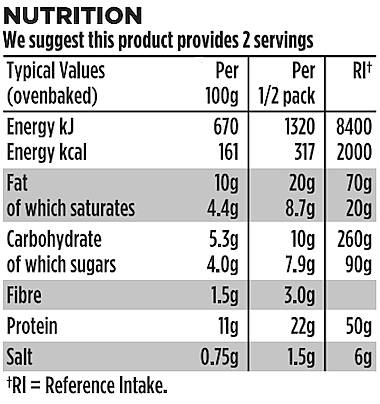
Back of pack labels
These are nutrition information labels on the back or side of the packaging. These labels must include the amount of energy (calories) in kilojoules (kJ) and kilocalories (kcal).
They must also include information on fat, saturates (saturated fat), carbohydrate, sugars, protein, and salt. They may also include other nutrients, like fibre. The information is provided per 100g or per 100 millilitres (ml) and sometimes per portion.
When taking weight loss medication, it’s important to look at all the nutrients on the food label to ensure you’re getting the right balance throughout the day.
Here are guidelines to tell you if a food is high or low in fat, saturated fat, salt, and sugar:
| Low (per 100g) | High (per 100g) | |
|---|---|---|
| Total fat | Less than 3g |
More than 17.5g |
| Saturated fat | Less than 1.5g |
More than 5g |
| Sugars | Less than 5g of total sugars |
More than 22.5g of total sugars |
| Salt | Less than 0.3g (or 0.1g sodium) |
More than 1.5g (or 0.6g sodium) |
Front of pack labels
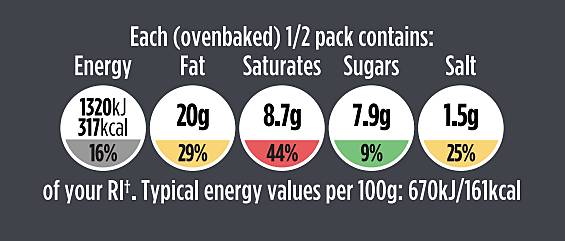
These labels allow you to make comparisons between products that are high (red), medium (amber), or low (green) in fat, saturated fat, salt and sugars.
The colour coding is referred to as ‘Traffic Light Labelling’. Try to go for more greens and ambers, and fewer reds to make a healthier choice.
Calories are also shown on the label, but are not colour-coded. Try to keep track of how many calories you’re having throughout the day to make sure you’re reaching your target/recommended calorie intake.
 Secure payment


