Premature ejaculation: How to last longer in bed

Medically reviewed by
Dr Crystal WyllieLast reviewed: 13 Jan 2026
If you are not lasting as long as you would like during sex, conditions such as premature ejaculation (PE) or erectile dysfunction (ED) could be involved. Premature ejaculation means you ejaculate sooner than you want to, and erectile dysfunction is when you have trouble getting or keeping an erection.
There are several things that can help you last longer during sex. These include medications, creams, lifestyle changes and practical exercises you can try at home.
This article explains why you might be ejaculating sooner than you would like and the treatment options that can help you feel more in control.
Tips for lasting longer in bed
If you are experiencing premature ejaculation, there are several effective methods you can try to help you last longer in bed.
Remember that what works for others may not work for you. You may have to try different options before finding which is best for you.
Try using condoms
Research shows that men with lifelong PE often experience heightened penile sensitivity. This causes them to ejaculate sooner than they would like.
Wearing a condom can reduce the sensitivity of your penis. This may help you last longer.
Strengthen your pelvic floor muscles
The pelvic floor muscles are the same ones you use to interrupt urination. By learning to tense these muscles, you can delay ejaculation. Research has shown that strengthening these muscles can be effective in improving ejaculatory control and erectile dysfunction.
You can strengthen your pelvic floor muscles by doing Kegel exercises, which involves tensing the muscle for a few seconds and then releasing them.
Try the pause and squeeze method
The pause-squeeze technique (sometimes called stop-start) involves pausing sexual activity when you feel close to ejaculating. At this point, your partner stops stimulation for 10 to 20 seconds and applies gentle pressure to the tip of your penis.
After releasing the pressure, you can restart stimulation for around 30 seconds before pausing again. You repeat this a few times before you allow yourself to ejaculate. Studies suggest that this technique can help some men delay ejaculation and feel more in control over time.
Masturbate before sex
Masturbating one to two hours before sex may reduce sensitivity due to the refractory period (the natural recovery phase after orgasm). During this time your arousal is lower, so it can be harder to reach orgasm again, which may help you last longer in bed.
The effect varies between people because the length of the refractory period is different for everyone.
Quit smoking
Smoking damages the blood vessels and nerve endings that play a key role in stimulating your penis during an erection. Quitting smoking can help improve erectile dysfunction (ED) by reducing this damage, potentially leading to stronger, longer-lasting erections.
However, it is important to note that there is no strong medical evidence that quitting smoking directly improves premature ejaculation. Research supports the idea that quitting can have positive effects on erectile function, but its impact on ejaculatory control is less clear.
Manage stress
Research has shown a correlation between anxiety and depression and the occurrence of premature ejaculation. Some strategies that may help reduce stress include:
✓ engaging in physical exercise to release tension and improve mood
✓ practicing mindfulness or relaxation techniques such as deep breathing, meditation or yoga
✓ maintaining a regular sleep schedule to improve overall wellbeing
✓ connecting with supportive friends or family to share feelings and reduce stress
If you notice any changes in your mood, discuss them with your doctor, who can help determine the best next steps.
➤ It's important to note that while relaxation techniques may help reduce stress, they may not directly lead to longer-lasting erections or delayed ejaculation.
Medication that can help with premature ejaculation
There are several treatment options for managing premature ejaculation. Prescription tablets such as Priligy (dapoxetine) can help delay ejaculation and improve control. Topical numbing creams, such as EMLA cream, reduce sensitivity in the penis and may help you last longer during sex.
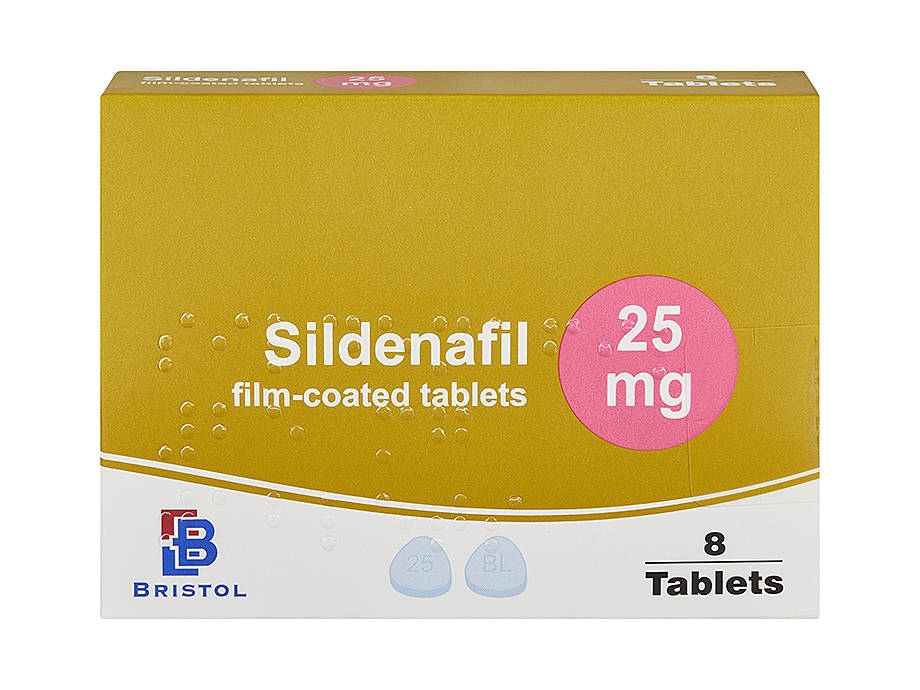
If you also have erectile dysfunction, medicines like Viagra or sildenafil can improve erections by increasing blood flow to the penis. In some men, treating ED can indirectly help with control as well.
These medicines can cause side effects such as nausea, dizziness, headache or flushing, and they are not suitable for everyone. It is important to talk to a healthcare professional about your medical history so they can help you choose a safe option and dose.
Order premature ejaculation and erectile dysfunction treatment



No results found.
Please check your spelling or try another treatment name.

from £26.00

from £12.00
No results found.
Please check your spelling or try another treatment name.
What counts as premature ejaculation?
Premature ejaculation is typically diagnosed when you ejaculate more quickly than you would like. For example, before or shortly after penetration. It often leads to distress or interpersonal difficulties.
While occasional quick ejaculation can be normal, PE is considered a concern if it happens consistently and causes significant distress or frustration.
The British Society for Sexual Medicine (BSSM) classifies PE as when:
- you always or nearly always ejaculate prior to or within about one minute of penetration
- you are unable to delay ejaculation on all or nearly all penetrations
- you experience negative personal consequences such as distress, bother or frustration
- you start to avoid sexual intimacy
➤ If this description feels familiar to you, it is worth discussing it with a GP or sexual health clinic. PE is common and there are effective treatments.
The difference between premature ejaculation and erectile dysfunction
It's important to understand the distinction between PE and ED. PE is characterised by the inability to delay ejaculation, often occurring shortly after penetration, which can lead to distress. ED, on the other hand, refers to difficulty achieving or maintaining an erection sufficient for sexual activity.
While these conditions are separate, they can sometimes occur together. Medications such as Viagra are commonly used to treat ED by improving blood flow to the penis. At the same time, this may help improve ejaculatory control.
Frequently asked questions
Is premature ejaculation the same as erectile dysfunction?
No, premature ejaculation and erectile dysfunction are not the same.
Premature ejaculation is when ejaculation happens sooner than desired, often before or shortly after penetration. Erectile dysfunction is when you find it difficult to get or maintain an erection.
Can ED cause premature ejaculation?
ED and PE can sometimes occur together, as there is overlap between the two conditions. Treating ED may improve erections and sometimes has a positive effect on control, but PE does not always resolve with ED treatment alone. You may still need treatment or techniques that specifically target premature ejaculation.
How does Viagra help with premature ejaculation?
Viagra (sildenafil) is primarily used to treat ED by increasing blood flow to the penis, helping you achieve and maintain an erection. While it is not specifically used for PE, some research has shown that it may help improve ejaculatory control in certain individuals.
However, Viagra is not a first-line treatment for PE, and other therapies, such as behavioural techniques or specific medications for PE, may be required for more effective management.
Will I last longer during sex after a vasectomy?
A vasectomy does not significantly affect premature ejaculation (PE). In a study of 5,425 men, the prevalence of PE was similar between those who had undergone a vasectomy (7.1%) and those who had not (6.1%). While vasectomy was associated with a lower prevalence of erectile dysfunction and increased sexual satisfaction in some men, there was no significant difference in the occurrence of premature ejaculation between the two groups. Therefore, any perceived change in sexual performance is likely psychological rather than physiological.

Crystal qualified in Medicine at Barts and the London School of Medicine and Dentistry in 2010. She then trained as a GP in London hospitals and practices. She has a particular interest in reproductive, sexual, and women’s health.
Meet our doctorsLast reviewed: 13 Jan 2026
-
Significance of penile hypersensitivity in premature ejaculation, Scientific Reports [accessed 28 November 2025]
-
The effect of condoms on penile vibrotactile sensitivity thresholds in young, heterosexual men, The Journal of Sexual Medicine [accessed 17 December 2025]
-
Pelvic floor muscle training improves erectile dysfunction and premature ejaculation: a systematic review, Physiotherapy [accessed 17 December 2025]
-
Assessment of as needed use of pharmacotherapy and the pause-squeeze technique in premature ejaculation, International Journal of Impotence Research [accessed 17 December 2025]
-
Cessation of smoking rapidly decreases erectile dysfunction, Endocrine Practice [accessed 17 December 2025]






GMC: 7074021

GMC: 6149065

GMC: 7085115


 Secure payment


