Pelvic floor exercises for men

Medically reviewed by
Dr Brenda IkejiLast reviewed: 14 Sept 2026
Erectile dysfunction is a very common condition where you frequently struggle to achieve or maintain an erection. While treatments often include medication and general lifestyle changes, strengthening the specific muscles that control your erections is a highly effective way to manage symptoms naturally. In this article, we explain how your pelvic floor impacts erectile function and guide you through simple daily exercises to build long-term strength.
How does your pelvic floor affect getting erections?
The pelvic floor muscles (especially, bulbocavernosus and ischiocavernosus), help you get an erection by compressing the blood vessels that would normally drain blood out of the penis, supporting a firm erection.
During sexual arousal, blood flows into the penis. To get and maintain a firm erection, the increased blood flow needs to stay in the penis.
Weak pelvic floor muscles
Weak pelvic floor muscles may fail to hold blood inside the penis, causing weak erections or erections that do not last long.
Signs of weak pelvic floor muscles include (but are not limited to):
- leaking urine
- leaking stools
- difficulty controlling wind
- ejaculation issues
- erectile dysfunction
This is typically caused by:
- aging
- surgical procedures
- nerve damage
- chronic coughing
- being overweight,
Overactive (tight) pelvic floor muscles
When pelvic floor muscles are constantly tense or tight due to chronic pelvic pain, stress or chronic infections, the constant tension can compress the blood vessels, restricting blood flow into the penis and preventing a firm erection.
Signs of overactive pelvic floor muscles include (but are not limited to):
- needing to urinate often
- feeling like your bladder is still full after emptying it
- painful ejaculation or erections
- erectile dysfunction
- premature ejaculation
- pain when sitting
How can male pelvic floor exercises help treat erectile dysfunction?
Pelvic floor exercises can help to strengthen your pelvic floor muscles over time, to improve blood flow and maintain a firm erection when sexually aroused. Stronger pelvic floor muscles help to hold blood inside the penis, which helps to maintain a firm erection for longer during sex.
Pelvic floor exercises need to be done consistently and daily for weeks/months to see improvements in erections and ED symptoms. A clinical trial looking at how pelvic floor exercises can restore erectile function in men with ED showed significant improvement after 3 months, with 40% of men regaining normal erectile function after 6 months.
How to find your pelvic floor muscles
To find your pelvic floor muscles try:
- Stopping the flow of urine when you are mid flow as a test to find the muscles (do not do this more than once or twice when passing urine as it can affect normal bladder function)
- Squeezing your back passage (anus) like you are trying to stop yourself from passing gas/wind
When finding your pelvic floor muscles, avoid squeezing or pulling in your buttocks, thighs or stomach and remember to breathe as you usually would.
4 pelvic floor exercises for men

- Standing up: Stand with your legs wide apart and clench your pelvic floor muscles. Hold for 5 seconds then release the muscles slowly and rest for five seconds, then repeat for up to 8 to 10 times.
- Bridge: Lie on your back and lift your hips while engaging your pelvic floor muscles. Hold for 5 seconds then release the muscles slowly and rest for five seconds, then repeat for up to 8 to 10 times.
- Squats: Squat down and squeeze your pelvic floor muscles as you rise back up. Hold for 5 seconds then release the muscles slowly and rest for five seconds, then repeat for up to 8 to 10 times.
- Inner thigh squeeze: Place a small ball or pillow between your thighs and squeeze them together while clenching your pelvic floor muscles. Hold for 5 seconds then release the muscles slowly and rest for five seconds, then repeat for up to 8 to 10 times.
If holding each position for 5 seconds becomes easy, try increasing it to 10 seconds. When doing pelvic floor exercises, avoid holding in your breath and do not squeeze your buttocks, thighs or stomach.
You should aim to do these exercises up to 3 to 5 times daily. You can find a PDF version of these exercises to download here.
When to do your pelvic floor (Kegel) exercises
You should ideally find regular times to practise your pelvic floor exercises so you don’t forget them. Some good times are:
- in the morning after you wake up
- before bedtime
- during routines daily activities like brushing your teeth, after going to the toilet, after your meals
- before tasks that put pressure on your stomach like lifting heavy objects, getting up from a chair, coughing or sneezing
How often should you do pelvic floor exercises
Up to 3 to 5 times daily. Aim to spread out your pelvic floor exercises throughout the day, repeating them to strengthen your pelvic floor muscles over time. Give each set of exercises your full attention to get the benefits.
When to expect results
You should start noticing improvements within weeks and full benefits after a few months. To strengthen and build up your pelvic floor muscles, you need to do your exercises consistently every day. Be patient, good results will take time.
Other ways to improve erections
There are other ways to improve erections and manage ED symptoms, including:
- Lifestyle changes - quitting smoking, reducing alcohol intake, a healthy diet, reducing stress and anxiety, weight loss and getting enough sleep are lifestyle changes which can help improve ED symptoms.
- Regular exercise - moderate to vigorous cardio exercises (running, brisk walking or swimming) and strength training 2-3 days a week can help improve your blood circulation and reduce stress levels, which is important for maintaining a healthy erectile function.
- Psychological Support - Cognitive Behavioural Therapy (CBT) or sex/couples therapy can help manage psychological causes of ED including performance anxiety, stress, anxiety and depression, and improve sexual function.
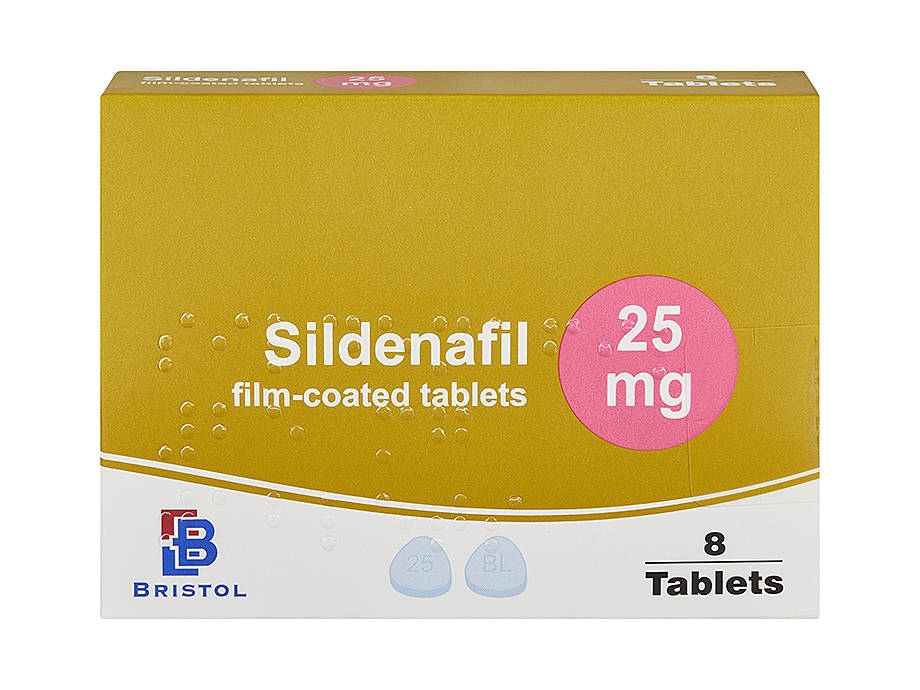
- Medication - Viagra, Spedra and Cialis are ED medications which work by relaxing the blood vessels and increasing blood flow into the penis when sexually aroused to get an erection. They are available to order at Asda Online Doctor after completing a short medical questionnaire.



No results found.
Please check your spelling or try another treatment name.
FAQs
What should I do if the pelvic floor exercises don’t help?
Speak to your doctor. Your doctor will be able to advise you on other options to help with ED including medications like Viagra, Spedra or Cialis. Your doctor would also investigate other possible causes including medical conditions like diabetes, high blood pressure, high cholesterol, low testosterone or prostate problems.
Can I do these exercises if I do not have ED?
Yes, even if you don’t have ED, pelvic floor exercises help you maintain strong pelvic floor muscles which is beneficial for a healthy erectile function, good bladder and bowel control.
Will pelvic floor exercises help me last longer?
They can, yes. Pelvic floor exercises help to strengthen your pelvic floor muscles and have been shown to improve both ED and premature ejaculation symptoms, to help you last longer during sex.
Can these exercises help with bladder control?
Yes, pelvic floor exercises help to build strong pelvic floor muscles which support bladder health and control, reducing the urgent need to pass urine frequently and ‘accidental’ urine leaks.

Brenda studied medicine at St Georges University of London and has most recently worked in John Radcliffe Oxford University Hospitals, covering acute and general medicine.
Meet our doctorsLast reviewed: 14 Sept 2026
-
British Society for Sexual Medicine Guidelines on the Management of Erectile Dysfunction in Men-2017, PubMed, National Library of Medicine [accessed 01 June 2026]
-
Erectile dysfunction, British Society of Urological Surgeons [accessed 01 June 2026]
-
Erectile dysfunction, NHS [accessed 01 June 2026]
-
Pelvic floor exercises (in men), British Society of Urological Surgeons [accessed 01 June 2026]
-
Pelvic floor exercises for erectile dysfunction, BJU International [accessed 01 June 2026]






GMC: 7074021

GMC: 6149065

GMC: 7085115


 Secure payment


